How to Get Started with 3D Printing: A Beginner's Guide


Understanding 3D Printing
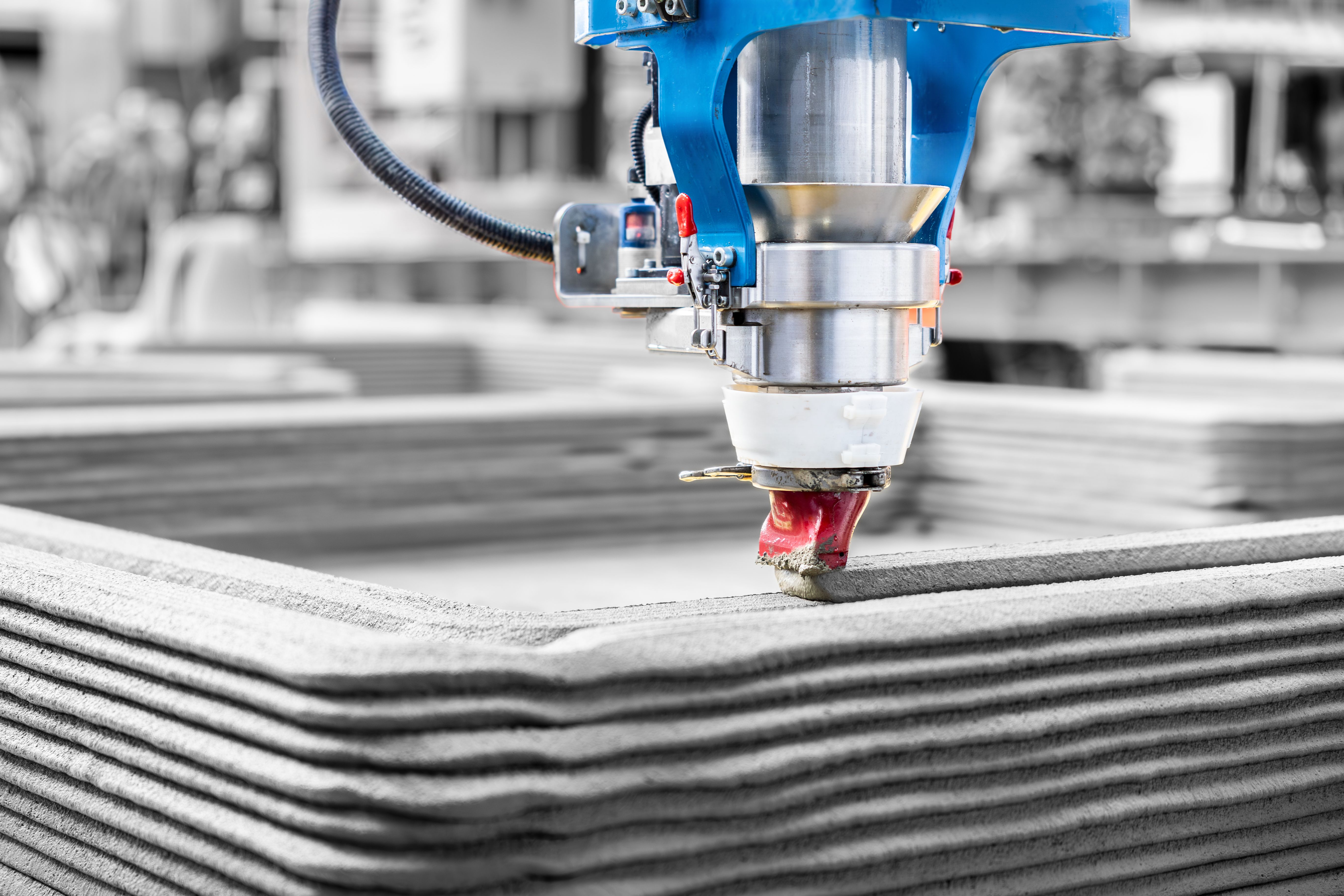
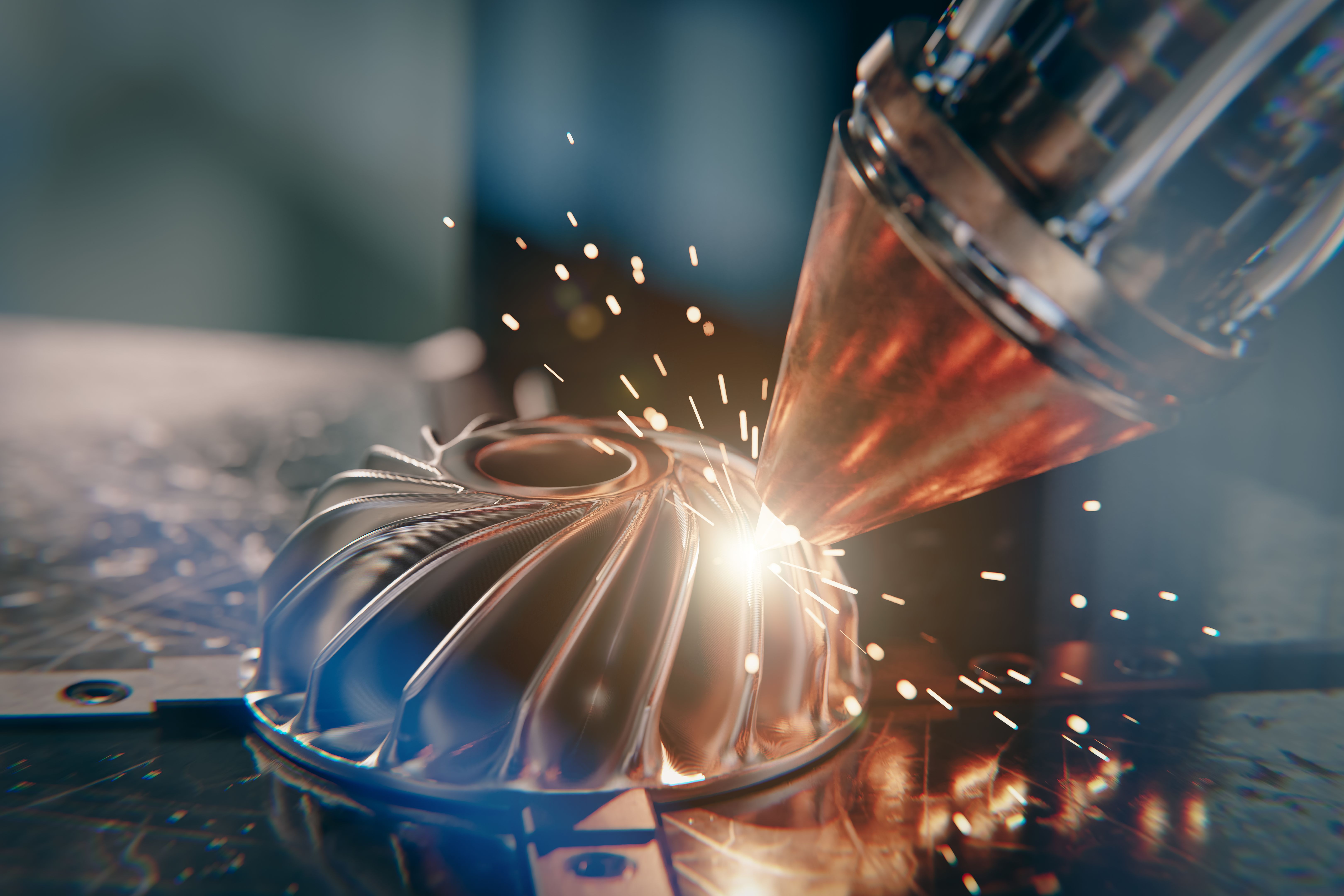
3D printing, also known as additive manufacturing, is a process of creating three-dimensional objects from a digital file. It involves layering materials, such as plastic or metal, to build a physical object from the ground up. This technology is revolutionizing various industries, from healthcare to automotive, and is becoming increasingly accessible to hobbyists and small businesses.
Choosing Your First 3D Printer
When starting with 3D printing, selecting the right printer is crucial. Consider factors like budget, the type of materials you want to use, and the size of objects you plan to create. There are two main types of 3D printers popular among beginners: FDM (Fused Deposition Modeling) and SLA (Stereolithography). FDM printers are generally more affordable and easier to use, making them ideal for newcomers.
Getting the Right Materials
Materials play a significant role in the quality and functionality of your 3D prints. Common 3D printing materials include PLA, ABS, and PETG, each with its own set of characteristics. PLA is user-friendly and suitable for most beginners, while ABS offers more durability. Understanding the properties of these materials will help you choose the best option for your projects.

Setting Up Your 3D Printer
Once you've chosen your printer and materials, it's time to set up your workspace. Ensure you have a stable surface and adequate ventilation, especially if you're using materials that emit fumes, like ABS. Follow the manufacturer's instructions carefully to assemble your printer, and make sure all components are securely in place.
Exploring 3D Design Software
To create objects with a 3D printer, you'll need to use design software. There are many options available, from beginner-friendly tools like Tinkercad to more advanced programs like Fusion 360. Start by experimenting with simple designs and gradually move on to more complex projects as you become comfortable with the software.

Printing Your First Object
With your printer set up and design ready, it's time to print your first object. Load your chosen material, set the printer's parameters according to the object's requirements, and start the printing process. Be patient, as printing can take several hours depending on the object's size and complexity.
Troubleshooting Common Issues
3D printing can sometimes be challenging, especially for beginners. Common issues include warping, layer shifting, and poor adhesion. Research solutions online or consult your printer's manual to address these problems. Engaging with online 3D printing communities can also provide valuable insights and support.
Expanding Your Skills
As you gain more experience, explore different materials and printing techniques. Try creating more intricate designs or experiment with post-processing techniques like sanding and painting. These skills will help you push the boundaries of what you can create with your 3D printer.
Conclusion
Getting started with 3D printing is an exciting journey filled with opportunities for creativity and innovation. By selecting the right printer, understanding materials, and mastering design software, you'll be well on your way to producing impressive 3D printed projects. Remember, practice and experimentation are key, so don't hesitate to dive in and start printing!